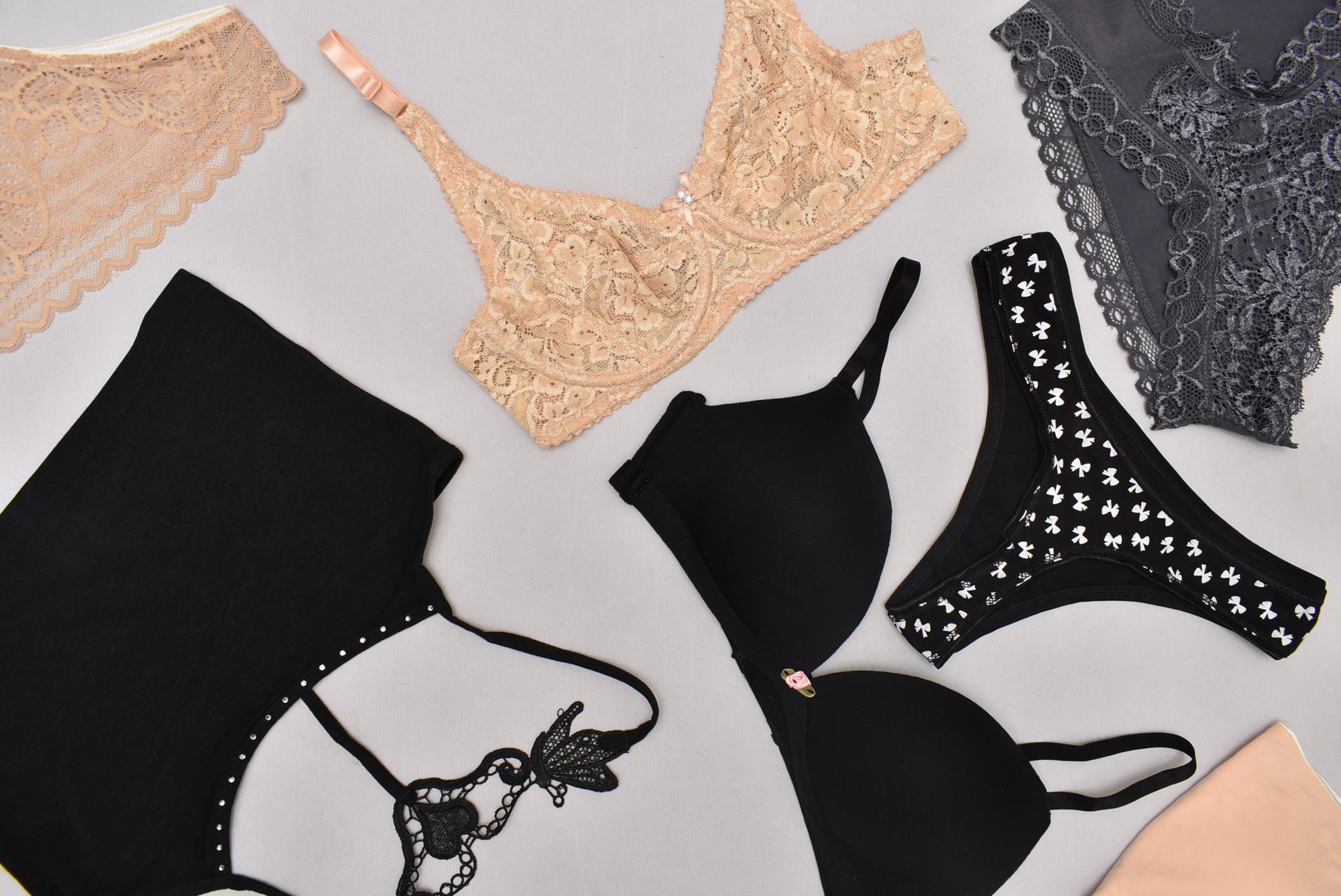
Cannabis lingerie is taking shape at the intersection of fashion, wellness, and cultural normalization—and female-founded brands are among the strongest forces giving it legitimacy. Rather than treating the plant as a gimmick, many women entrepreneurs are steering the category toward thoughtful design, body-positive storytelling, and “intimates as self-expression,” all while navigating the realities of regulation and stigma.
One way female founders are shaping the space is by pulling cannabis aesthetics into the same modern branding language that has elevated beauty and wellness over the past decade. Fashion industry observers have noted how cannabis companies increasingly borrow from fashion’s playbook—premium visuals, community-first marketing, and lifestyle positioning—to build trust and desirability. When women lead those decisions, the result often feels less like novelty and more like an extension of how many consumers already shop: values-led, design-forward, and intimate.
Some female-founded lingerie brands are also experimenting with direct CBD adjacency—partnering with cannabinoid businesses to connect lingerie with cycle comfort, recovery, and everyday wellbeing. Berlin-based Mena Lingerie, for example, has discussed partnering with CBD brand DeliHemp, pointing to CBD’s association with period pain relief as part of the collaboration logic. In practice, these kinds of partnerships signal where the market is headed: cannabis lingerie isn’t only about prints or cheeky leaf motifs—it can also be about how a brand frames comfort, care, and the body.
Female founders are also influencing the “tone” of cannabis lingerie through bold, inclusive lingerie leadership more broadly. New York label Thistle and Spire describes itself as proudly woman-founded and built around pushing back on stale standards. That founder-led, boundary-pushing posture matters in cannabis-adjacent lingerie because it creates permission: for a consumer to wear something playful, for a campaign to be sex-positive without being exploitative, and for cannabis references to read as culture—not costume. Shoppers can explore more at: www.thistleandspire.com.
Outside lingerie, women-led cannabis and intimacy brands are shaping what consumers expect from “intimates” as an ecosystem—where lingerie, lubricants, body oils, and mood rituals sit side by side. Foria has long positioned itself as an intimacy and sexual wellness brand, and its origins trace back to cannabis-based intimacy products before expanding into broader wellness formats. Meanwhile, Kush Queen presents itself as female-founded and women-led, reinforcing how women executives are building cannabis brands with a lifestyle lens that naturally overlaps with lingerie audiences. Shop Foria at: www.foriawellness.com and Kush Queen at: www.kushqueencannabis.com.
Finally, female-founded fashion-meets-cannabis players help define the visual culture lingerie pulls from. Flower by Edie Parker, founded by Brett Heyman, explicitly merges fashion aesthetics with cannabis and accessories—an influence that trickles into lingerie’s styling, shoots, and gifting culture. Visit: www.edie-parker.com.
Taken together, female-founded brands are shaping cannabis lingerie by professionalizing the look, widening the conversation around intimacy and comfort, and anchoring the category in design and values—so it can grow beyond a trend into a lasting lane.