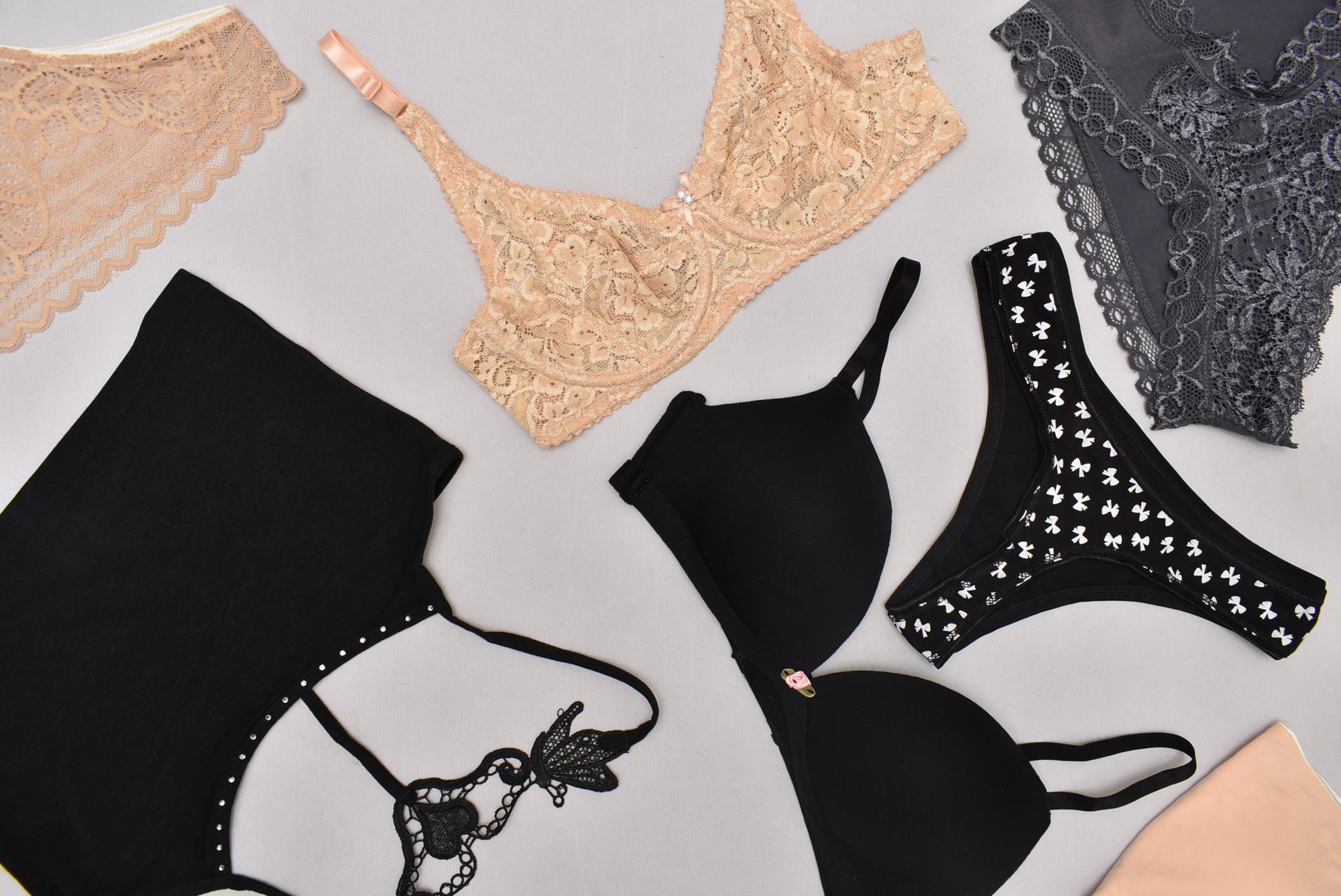

Marketing marijuana-inspired lingerie is a balancing act: shoppers want the playful, plant-forward aesthetic, while platforms and regulators expect marketing that is truthful, age-aware, and free of implied drug claims. The most effective retailers treat “marijuana lingerie” first as fashion—prints, embroidery, cheeky slogans, and green palettes—then add guardrails so the vibe stays fun without drifting into “drug promotion.”
They start with the universal rules of advertising. In the U.S., ads must be truthful, not misleading, and backed by evidence when they make objective claims—whether that’s “breathable,” “supportive,” “won’t pill,” or “colorfast.” Those standards apply everywhere: product pages, emails, influencer posts, and even customer testimonials reused in ads. A common retail best practice is a simple “claims list” that limits copy to verifiable facts (fabric, construction, care, sizing, shipping/returns) and keeps benefit language clearly subjective (“confidence-forward,” “date-night energy”) instead of measurable promises.
Next comes the bright red line: health and drug-related claims. Cannabis culture is often linked to relaxation and wellness, but lingerie marketing can’t safely imply pain relief, better sleep, anxiety reduction, or any disease-related benefit—especially if CBD/cannabinoids are mentioned anywhere on the page. Regulatory enforcement around cannabis-derived products shows how quickly disease-treatment claims and other unapproved drug-like marketing draw scrutiny, making this an area retailers avoid entirely.
Platform policy is the practical constraint retailers feel every day. Major ad networks restrict or require authorization for ads that promote cannabis or cannabinoid products, and automated systems can flag cannabis-adjacent language or imagery even when the item is “just apparel.” Retailers keep paid social “clean” by leaning on fashion cues (fit, lace quality, styling, gifting, boudoir photography) and treating the cannabis motif like any other graphic print. When creative leans heavily into cannabis culture, many brands shift it to owned channels (email, SMS, blog/editorial) where they control context and targeting.
Age and audience targeting matter, too. Even though lingerie is inherently adult, retailers still add safeguards: “18+” gates for certain landing pages, conservative interest targeting, and placement away from youth-oriented creators. They also avoid cartoonish visuals, candy-like references, and slang that reads like product promotion (“get high,” “stoned,” “smoke up”), because those cues raise both policy and brand-safety risk.
Influencers and affiliates get the same discipline. Retailers provide pre-approved talking points, require clear sponsorship disclosures, and prohibit creators from depicting consumption or giving “how to use” cannabis advice. Many also moderate brand tags and hashtags and remove user-generated content that shows drug use so the brand feed doesn’t look like it’s encouraging illegal behavior.
Finally, the smartest teams document decisions. A short pre-launch checklist—claims review, platform review, age-targeting review, plus a creative do/don’t sheet—helps marketing stay bold, stylish, and shoppable while remaining safely on the right side of the lines.